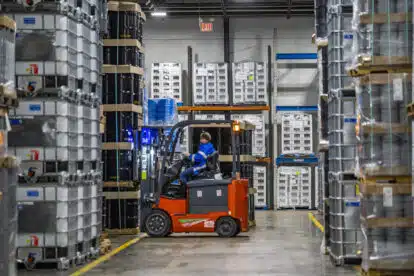
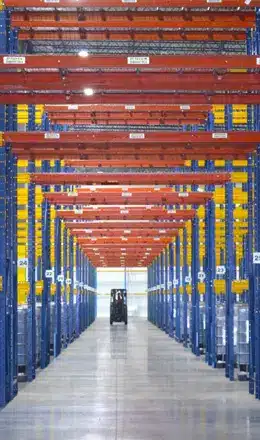
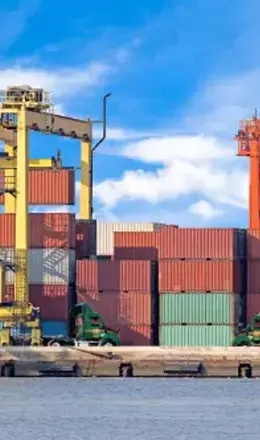

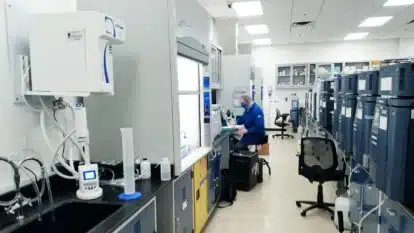



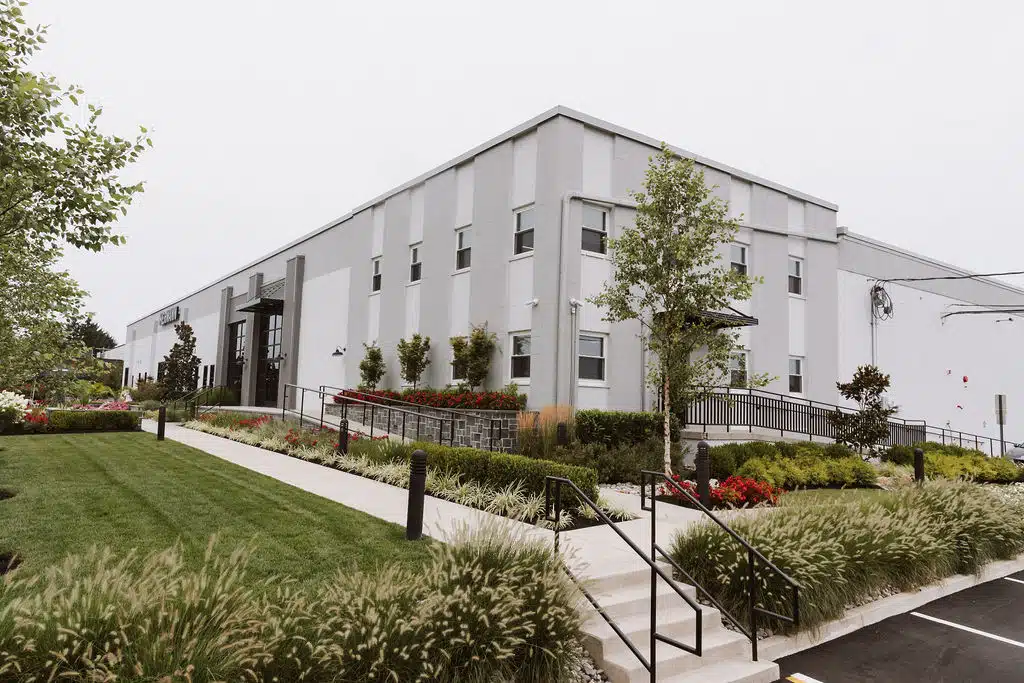
We operate up to 2 million square feet of warehousing space throughout the Northeast and Southwest.
 Author : Hermann Services
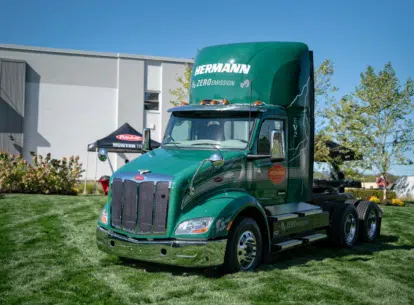
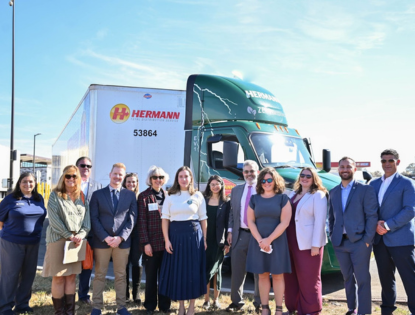
In October of 2025, Hermann signed a landmark deal with Peterbilt to acquire 15 electric trucks, marking Hermann as the largest known electric fleet operator in the state of New Jersey. This was a huge milestone for the company and served as a testament to the company’s deepening commitment to sustainability and its willingness to lead by example in an industry that is only beginning to embrace the shift toward zero-emission transportation. It was a signal to the industry that sustainable delivery at scale is not just a future ambition but something that is already happening. This achievement, however, only marked the start of Hermann’s journey.
When fuel prices rise, the cost doesn’t stay with the carrier. Most goods moving in the United States spend at least part of their journey on a truck, which means higher fuel costs work their way into the price of nearly everything, from groceries to building materials to medical supplies.
In Q1 2026, shipper spending surged 12.9%, the largest quarter-over-quarter increase since late 2020, even as total freight volumes remained essentially flat. That gap between volume and cost tells a clear story: it’s not demand driving prices up. It’s fuel surcharges, tightening capacity, and a carrier base that has been consolidating for years.
Higher fuel prices also shift where risk lands in the supply chain. When carriers become more selective about which loads they take, capacity tightens. Shippers who pay competitive rates and have established carrier relationships tend to maintain their service levels. Those without them are left competing in the spot market, which, in the current environment, is an expensive place to be.
The impact on warehousing is less visible than rate increases, but just as significant. When fuel prices rise, businesses often reduce delivery frequency to cut transport costs, hold stock longer, and increase regional inventory buffers. As supply chains adapt, warehouses are taking on a greater share of responsibility in getting goods to their destination efficiently.
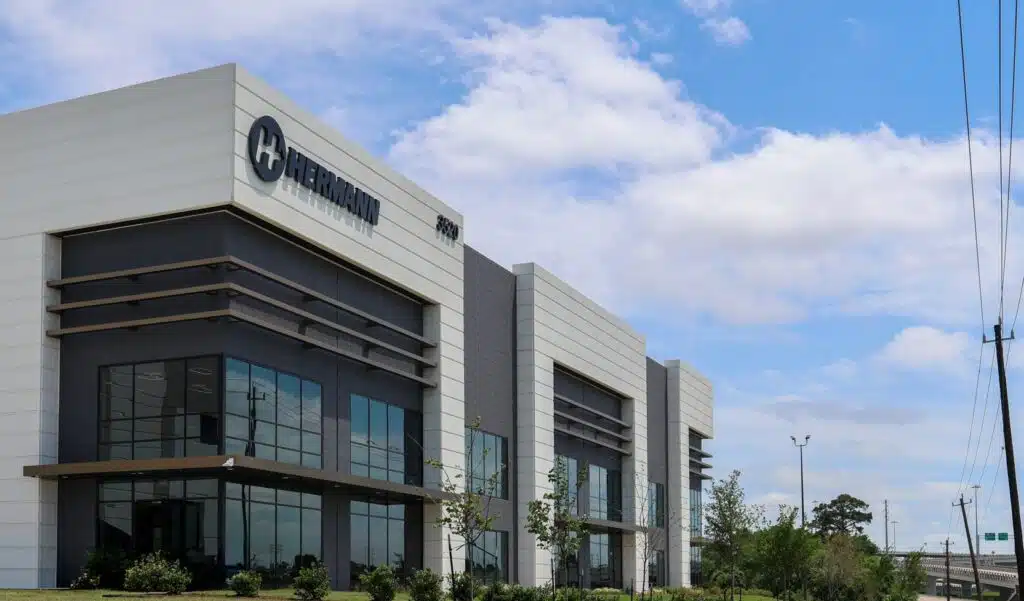
For companies that have already invested in multi-state warehousing footprints, this is a real advantage. Businesses relying on one centralized warehouse to reach customers everywhere are feeling it in their bottom line.
At Hermann, our warehouse network spans New Jersey, Delaware, and Texas, strategically positioned to support regional distribution and reduce outbound transportation miles for our customers. When fuel costs make long hauls more expensive, shorter lanes and closer inventory positioning become a real competitive advantage for the shippers we serve.
Rising fuel costs don’t just affect rates; they accelerate consolidation across the carrier base. Smaller carriers operating on thin margins are the most vulnerable, and their exits reduce available capacity, pushing rates higher still. For shippers, this means the carrier relationships they have today matter more than they have in years.
Hermann is an asset-based 3PL. We own and operate our fleet, which means our customers aren’t dependent on the broker market to find capacity when conditions tighten. That’s not a small distinction right now.
The companies navigating this environment best aren’t reacting to fuel prices; they positioned themselves before costs climbed. For those still looking to stabilize, a few priorities stand out:
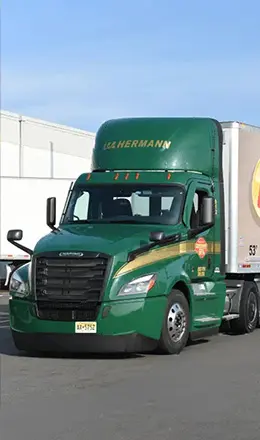
One of the most important and underappreciated responses to diesel price volatility is investment in electric commercial vehicles. Hermann operates New Jersey’s largest known electric commercial vehicle fleet, with 15 Peterbilt EV trucks acquired in October 2025, supported by nearly $3 million in NJEDA funding. This investment isn’t just about sustainability. It’s about reducing long-term exposure to diesel price swings. Every mile run on electricity is a mile insulated from the fuel surcharge cycle.

Diesel prices don’t move in a vacuum, and the forces driving volatility in 2026 aren’t going away quickly. Geopolitical conflict, trade uncertainty, and shifting energy policy are all in play at once. The carriers and 3PL partners who hold their ground aren’t better at absorbing the hit. They’re better prepared before it arrives.
At Hermann Services, we’ve spent nearly 100 years building a logistics operation designed to absorb volatility through asset ownership, geographic flexibility, and a long-term view on infrastructure investment. If rising fuel costs are creating pressure on your supply chain, reach out to our team today!