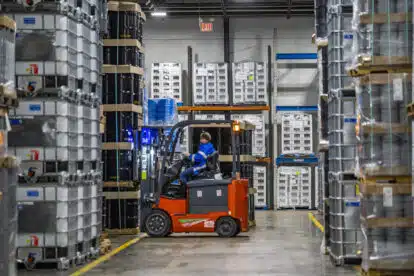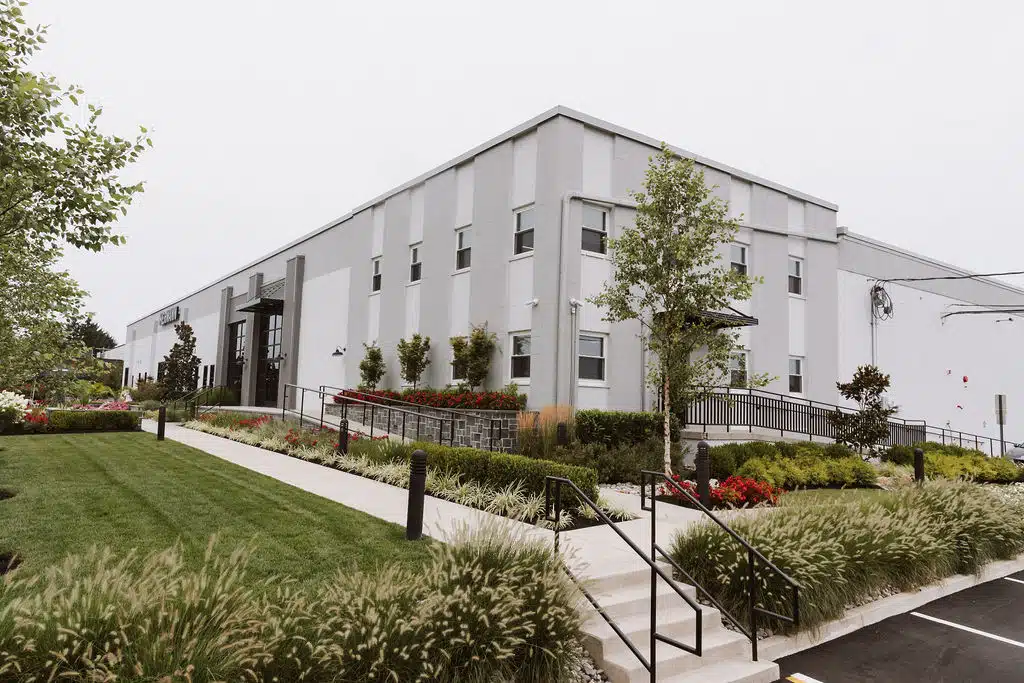
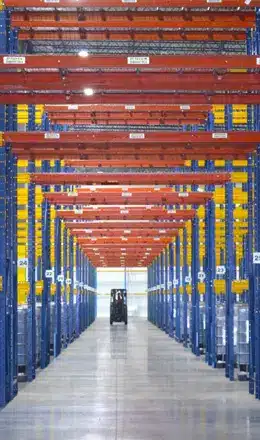
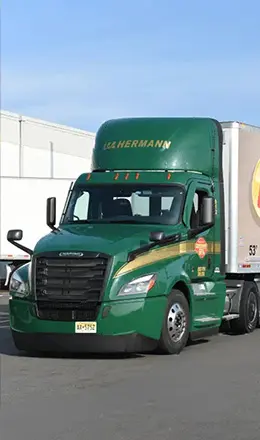
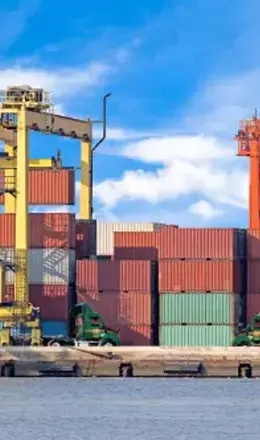

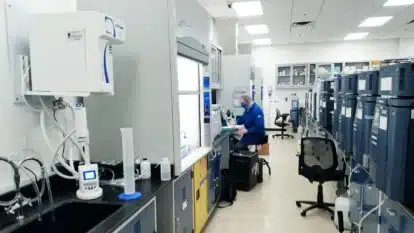



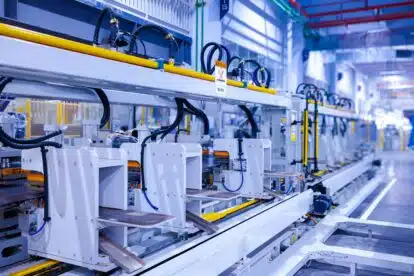

We operate up to 2 million square feet of warehousing space throughout the Northeast and Southwest.
 Author : Hermann Services
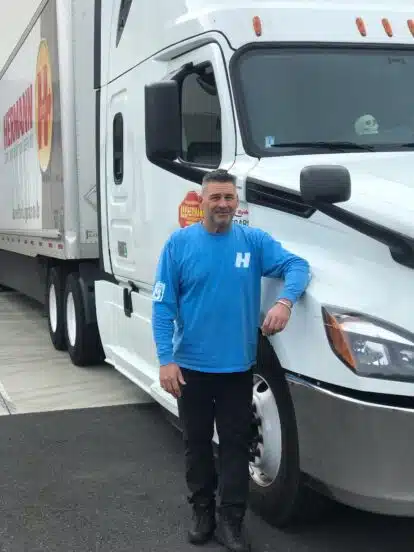
Warehouse safety is something Lisa thinks about every single day and has for nearly 20 years.
As the Environmental, Health, and Safety Supervisor at Hermann Services, Lisa’s job is to make sure that every person who walks through the doors of our warehouse facilities goes home in the same condition they arrived. That sounds simple, but in a warehouse environment, it requires constant attention, ongoing training, clear communication, and a culture where every employee feels empowered to speak up when something doesn’t look right.
Lisa has spent nearly two decades in warehouse safety, and her perspective is clear: incidents don’t just happen. They are the result of gaps in training, communication, awareness, or process, and that means every single one of them is preventable.
At Hermann Services, warehouse safety isn’t just a policy posted on a wall. It’s a commitment to employees, customers, and the communities we operate in across New Jersey, Delaware, and Texas. Here, Lisa walks through some of the most important warehouse safety topics her team navigates every day, sharing what she’s learned and how Hermann approaches building a warehouse safety culture that goes beyond compliance and becomes part of who we are.
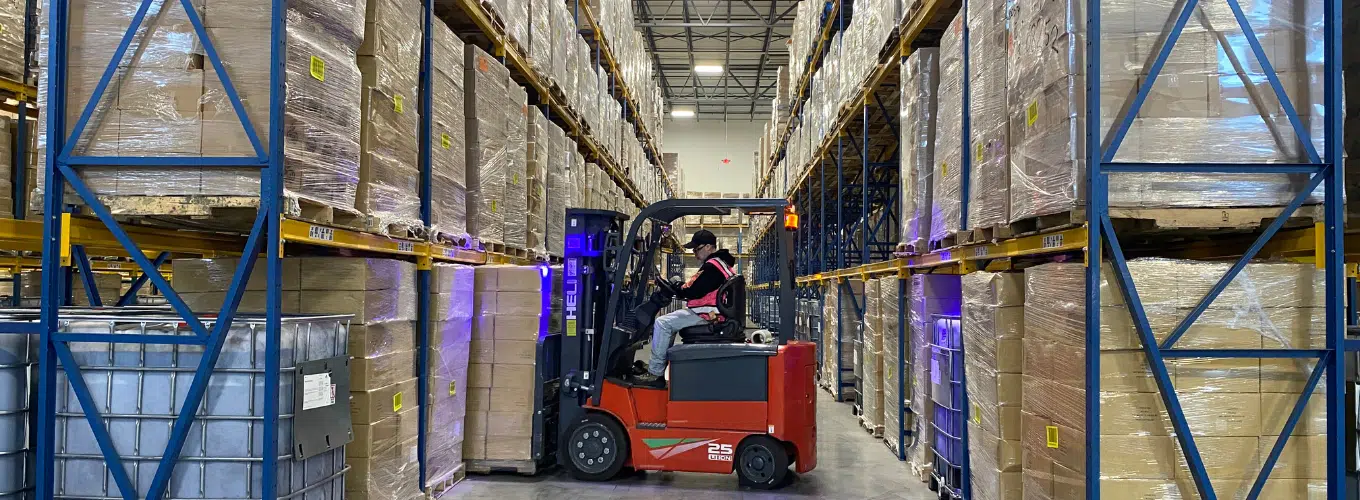
Loading dock safety remains a top concern in warehouse operations. Forklift safety, slips and falls, and workplace distraction create ongoing risks. What often gets missed? Near miss reporting. For every major warehouse accident, numerous near misses go unreported. Making near misses measurable is critical to preventing future workplace injuries.
Warehouse accident prevention starts with proper task assessment. Is this a one-person or two-person job? Complacency among experienced warehouse employees is also dangerous. Experience is valuable, but vigilance matters more in warehouse operations.
Not all products can be stored together in a warehouse. Proper warehouse segregation prevents chemical reactions, cross-contamination, and compliance violations. Allergens need careful storage, and certain chemicals must be kept apart. The challenge is balancing warehouse space utilization with safety requirements.

Cold stress affects employees in refrigerated warehouse environments, impacting both safety and decision-making. Products outside required temperature thresholds in temperature-controlled warehousing become non-compliant, creating liability issues.
Compliance depends on what you’re storing. Food-grade products require AIB certifications. Chemicals must meet EPA regulations. Hazardous materials require Tier 2 reporting filed annually before March 1st, which documents exactly what’s stored and where in your facility. This information protects employees, emergency responders, and the community.
Creating a warehouse safety culture means empowering employees to stop work when they see safety concerns. Constant safety training, morning safety huddles, and clear communication build this foundation. Employees need to know: What PPE should I wear? Where do I get it? Who do I contact with safety concerns?
Forklift certifications vary by equipment type. OSHA 10-hour and 30-hour training programs teach supervisors and managers how to better protect their teams. These certifications aren’t just paperwork; they represent a commitment to safety and proper training protocols.

Documenting incidents isn’t just about paperwork; it’s about understanding what went wrong and making sure it doesn’t happen again. Keeping up with the ever-changing landscape of safety regulations requires ongoing training, trusted consultants, and staying connected to the broader safety community through industry newsletters, certifications, and professional networks.
Every warehouse accident is avoidable. Creating a safe warehouse environment requires proper training, clear communication, appropriate product segregation, empowered employees, and continuous improvement. Warehouse safety is about building systems and fostering a culture where everyone understands that going home safe is the most important thing they’ll do today.