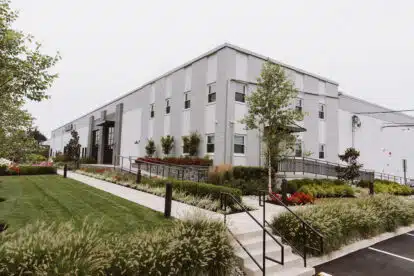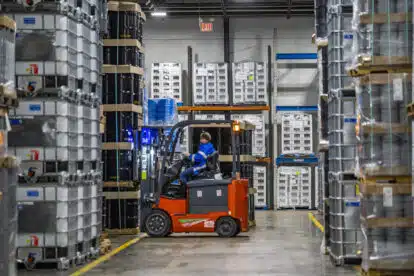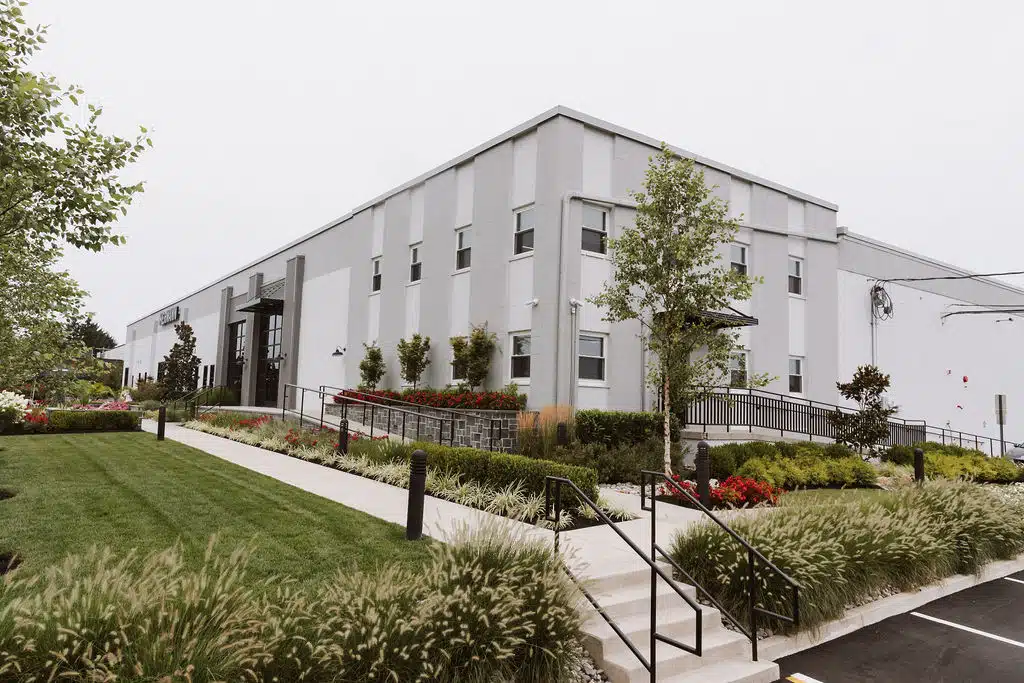
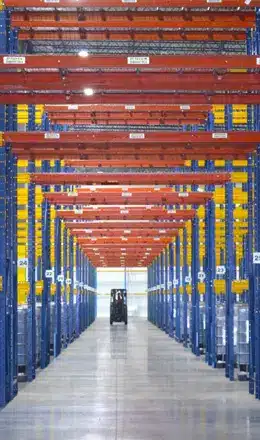

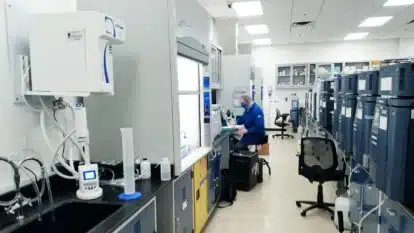


We operate up to 2 million square feet of warehousing space throughout the Northeast and Southwest.
 Author : Hermann Services
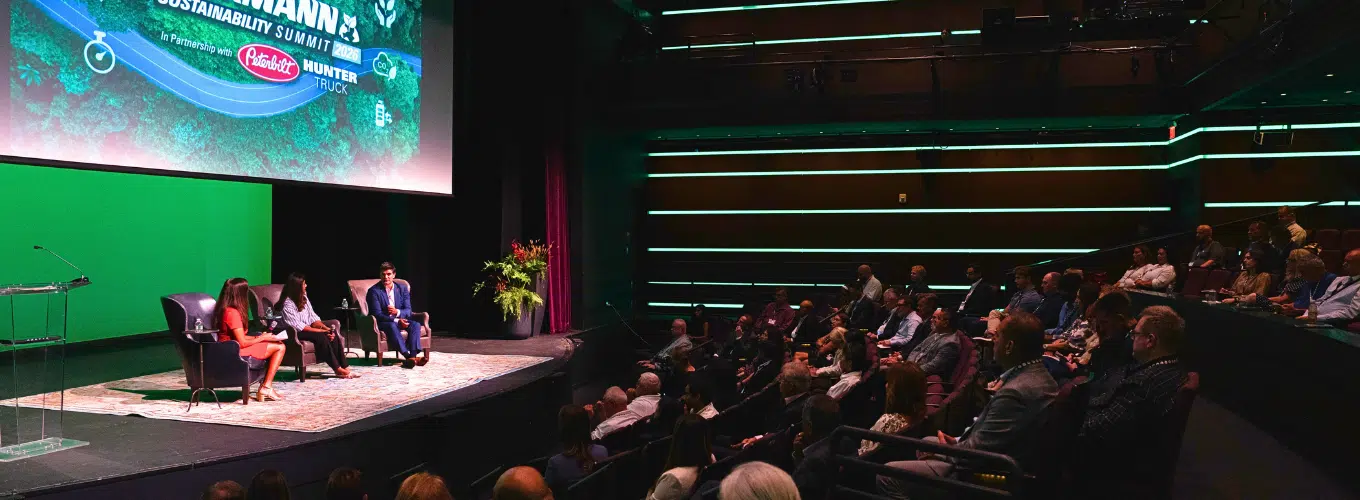
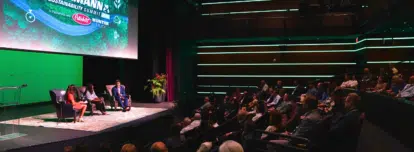
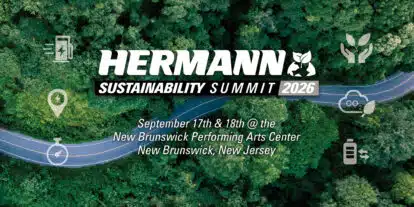
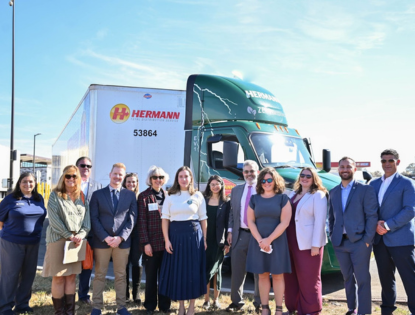
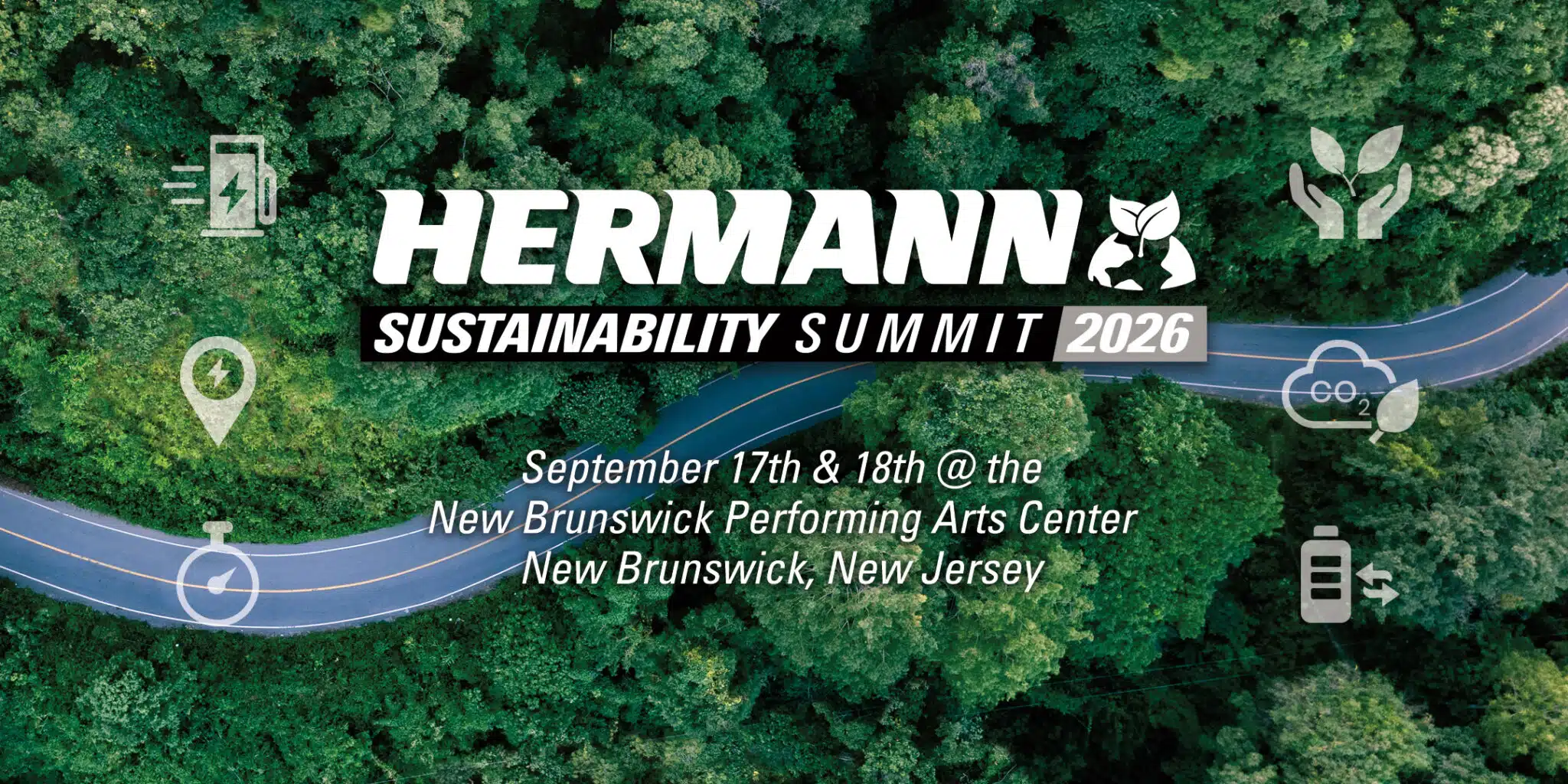
Last month, Hermann Services welcomed 185+ industry leaders, policymakers, students, and partners to New Brunswick, NJ, for the Inaugural Hermann Sustainability Summit in Partnership with Hunter Truck. Over two days, the sustainability summit brought together voices from across the transportation and supply chain industry to tackle one of the industry’s biggest questions: what does a genuinely sustainable future for fleet operations and logistics look like?
The summit opened with “Leadership: Navigating the Complexity of Ownership,” where Hermann Services CEO Jeff Hermann joined Tom Heimgartner of Best Transportation, Kyle Crawford of Peterbilt Motors, and Marina Ivanov of Apex Transit Solutions, moderated by Chris Lutick of the NJ Motor Truck Association. The panel explored fleet electrification from multiple angles: Tom’s decade of hands-on experience as an early EV adopter, Kyle’s OEM perspective on how electric truck technology has matured, and Jeff and Marina’s take on the leadership and economics behind sustainable fleet transition, including how the path differs for smaller carriers.
Running alongside it, “Infrastructure: Accelerating Fleet Readiness” dug into the practical realities of EV charging infrastructure and fleet electrification at scale. Moderated by Hermann’s VP of Finance Operations, Adrian Hurgoi, the panel featured Pam Frank of ChargEVC-NJ, Dawn Neville of PSE&G, Shawn Hink of ChargePoint, and Dr. Shihab Kuran of Power Edison and EV Edison, who discussed right-sizing power loads, battery storage solutions, and the Port Authority region’s unique infrastructure and air quality challenges.
Midday, “A Playbook for Shippers and Carriers” brought together Jeff Hermann and Debleena Anand of L’Oréal USA, moderated by Helen Davis, former SVP of North America Operations at The Kraft Heinz Company. The session explored how the Hermann–L’Oréal supply chain partnership has taken shape, what it takes for a shipper and carrier to align on Scope 3 emissions goals, and practical advice for companies just beginning that conversation.

That afternoon, two panels ran in parallel. “Scope 3: Analytics, Data, and Carrier Support,” moderated by Maaz Haider of EDF+Business, featured Chris Hrabinski of DSM-Firmenich, Arjan Bhasin of Evonik, Tom Fisher of C.H. Robinson, and Celine King of GreenIRR, who tackled the gap between measuring Scope 3 emissions and reducing them. Alongside it, “Operational Reality of Carbon Neutral,” moderated by journalist John Voelcker, featured Roarke Katherman of Clean Energy, Paul Fehn of Hunter Truck, and Paul Gioupis of Zeem Solutions, digging into the real-world logistics of scaling alternative fuels and EV charging infrastructure for commercial fleets.
The mainstage also hosted “Sustainability and Equitable Opportunity for All Communities,” where Assemblywoman Tennille R. McCoy and Dr. John Harmon of the African American Chamber of Commerce of NJ joined moderator Dominique Lueckenhoff of Hugo Neu to discuss workforce development, green job apprenticeships, and ensuring sustainability investment creates real opportunity for underrepresented communities.
Day two opened with one of the summit’s most talked-about sessions: “The Future of Sustainability, According to Them,” a student panel featuring five Rutgers University students, CJ Quinn, Tyler Maroney, Dean Spenzos, Aashee Roa, and Julian Vilfort, moderated by Art Certosimo of Broadridge Financial. Their perspective on data centers, circular supply chains, and the real cost of corporate sustainability was a highlight of the entire event.

The summit also featured keynote conversations from two NJ State Senators. Senator Bob Smith opened the event with a look at New Jersey’s energy landscape, while Senator Andrew Zwicker closed it out with a conversation on the future of fusion energy.
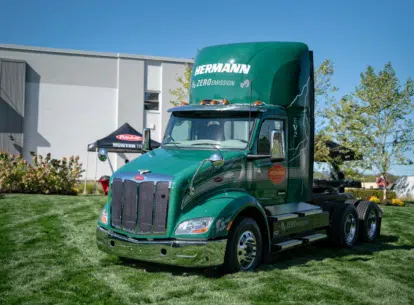
The Hermann Sustainability Summit wasn’t just about conversations. Attendees also got an up-close look at the technology driving fleet electrification firsthand, with two electric vehicles, an RNG-powered truck, and a Tesla on site throughout the event, giving guests a tangible look at the sustainable transportation solutions discussed on stage.
The first night of the summit closed out in style, with a dinner featuring a live jazz band setting the tone for the evening, along with a magician who kept the room entertained between courses, a fitting celebration after a day of substantive conversation on supply chain sustainability.

As a fourth-generation, family-owned transportation and logistics company approaching its 100th year in business, hosting this sustainability summit meant something bigger to us than a single event. It reflects a belief we’ve held since 1927. The path toward a more sustainable supply chain is one we walk further and faster together.
Thank you to everyone who attended, spoke, sponsored, and helped bring this first chapter to life. If you missed it this year, we hope to see you at next year’s summit. This is only the beginning, and we’re already looking forward to building on it.